On Debussy & Monk

A Lesson in Creating More and Worrying Less
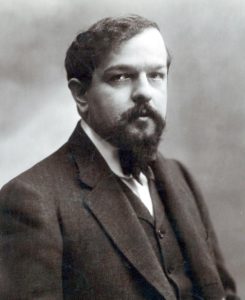

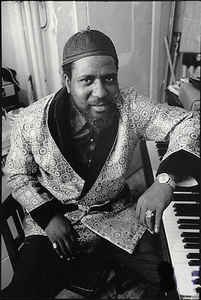
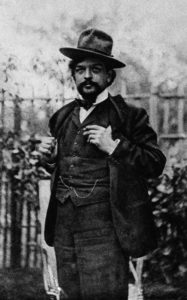
I have been writing music for 20 years and I’m still uncovering truths that shake me to my core and change everything about how I create. Sometimes these thoughts take years to unravel, starting with an obsession over some artist or style that becomes clearer to me as I slowly unpack it.  For a long time, my mind felt stuck comparing two somewhat opposite composers: Thelonious Monk and Claude Debussy. Monk was pure American Jazz from the 50’s, complex and difficult to listen for long periods yet so trail-blazingly beautiful in moments. Debussy was a French composer working closer to the year 1900, pioneering an idea of musical impressionism that has stayed with me since I learned it, swirling around my head like an eddy until eventually clarity came crashing in.  

Impressionism was an art movement characterized by the lightest of touches and a dedication to the hard-to-understand minutia. A direct reaction to the bold colors and shapes of German Expressionism, French Impressionism instead sought to capture life as a shades of similar color.

Like this beautiful work from Monet, there is this sense of infinite nuance within the same shade. The typical lines that delineate a background from the foreground are erased, and with it, the expectations we place on form to guide our understanding. What we are left with is not something shapeless, but definitely less certain, and more reliant on the audience’s perspective to give it meaning.  
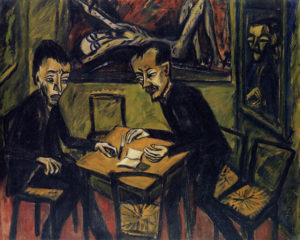
German Expressionism, note it’s use of sharp, clear lines and vivid imagery.

Musically, Debussy chased this aesthetic idea celebrated by contemporaries like Monet. Nuages (or Clouds) for example, mixes moments of grand musical clarity with confusion, occasionally striking such a beautiful progression of chords that all you want is to experience more of it; to ride the wave of melody towards some great place or conclusion. Instead the melody and tempo return you to a place of undefined chaos and you are left with just the memory of what moved through you, what you thought you might have heard. Debussy himself described the sound as “the immutable aspect of the sky and the slow, solemn motion of the clouds, fading away in grey tones lightly tinged with white”. 
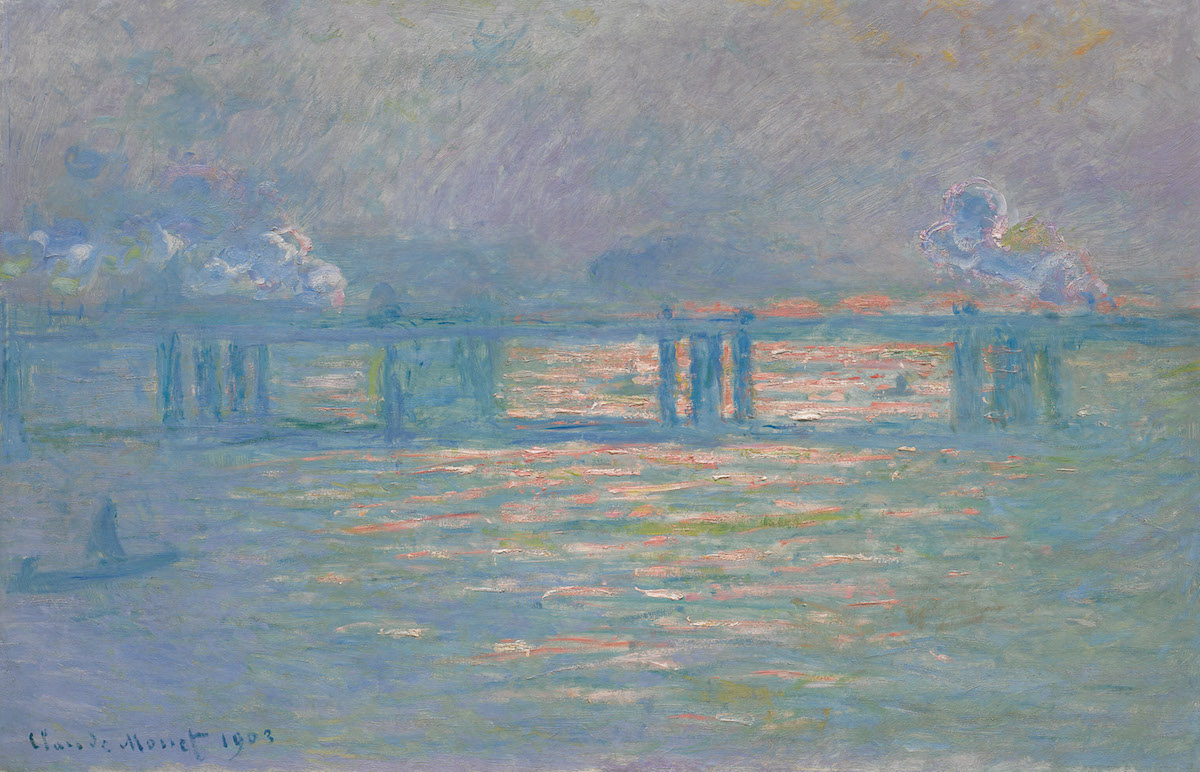
Works by Monet that reflect his impressionistic style
By contrast, the color profile and uncertain subjects of Impressionism

I believe Debussy understood that our most fundamental sensations cannot not exist separately. In order to understand these moments of intense beautiful purpose, they have to be accompanied by uncertainty. This is basic Taoism at its core. How could one know the concept of happiness without sadness, how could one understand true musical beauty without first being subjected to a little confusion and disarray? Impressionism instilled in Debussy an understanding of subtle nuance, and like Monet, he used these nearly infinite shades of tonal color to construct his masterpieces, and vague musical structure to obfuscate the true sensations. As important as the swelling and beautiful melodies were, the music was just as much defined by what wasn’t as what was.  
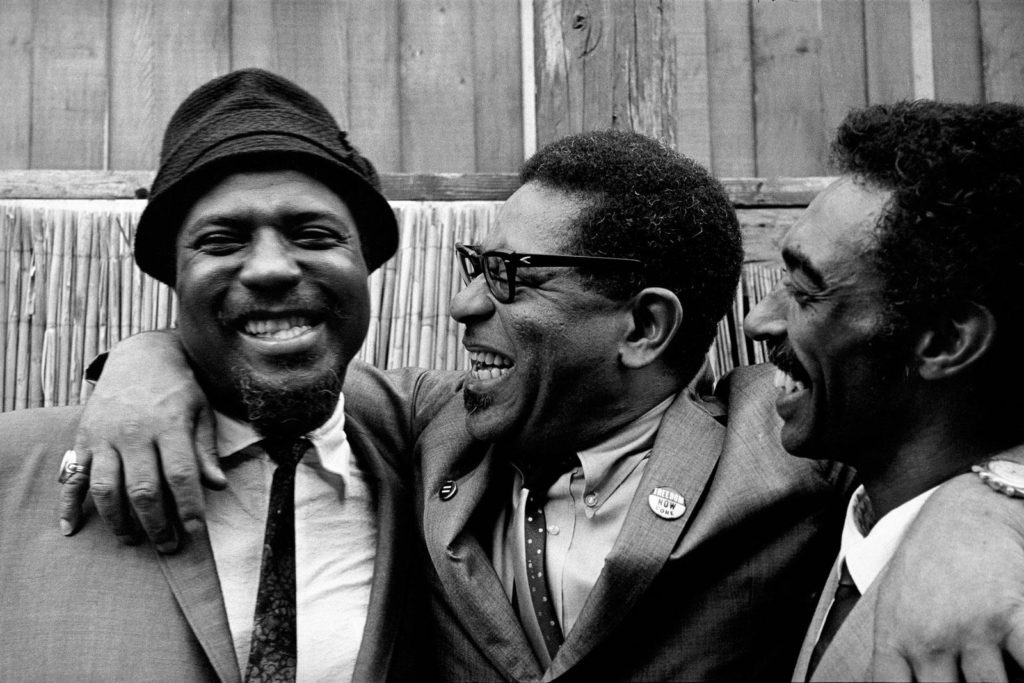

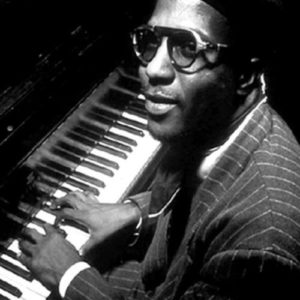
For Monk too this idea was important, even though he lived 50 years later and as far from the French aristocratic art scene as one could probably be. In a remarkable track like Solitude, we can hear the full genius of this thinking on display. There is a straight-forward melody to this Duke Ellington piece (one any well trained Pianist could bring life to) but for Monk, merely a rough road map. Instead, he introduces these complex chordal vamps, pinching together notes that would make lesser visionaries wince at the audacity. In his time, some called him “the elephant on the keyboard”, misunderstanding that the point was exactly to celebrate those uncomfortable notes. They introduced tension he could take his time resolving and a layer of complexity few could duplicate or understand.  

Like Debussy, Monk expected us to search for the nuance in his pieces; listen through the uncertainty for those moments of immense satisfaction when the melodic or rhythmic tension gave way to clarity. However, unlike the longer-winded Debussy, Monk could squeeze these moments into a bar, a phrase, or a mere second of music. Part of this was pure virtuosity, while Debussy was a brilliant composer, Monk was a born pianist whose skills were iron forged in the fire of constant jam sessions throughout the 40’s and 50’s, but equally important was the rise of Jazz and subsequent change in how we saw dissonance. Separated by decades and continents, both composers believed moments of pain were necessary for moments of pleasure, moments of banality in exchange for brilliance.

I was always a melodic perfectionist in search of the most satisfying musical moments; but the importance of times where I’d missed the mark was profound realization for me. Not only did things not need to be perfect… it was better if they weren’t. There was character and texture to both mistakes and the planned moments of chaos that proved essential to the process of crafting beauty. More importantly, those satisfying moments could not exist without the parts I might consider dull, transitional, or unpleasant to the ear.     
Take a track like “Going Home” from my first album. That was a song spent chasing some type of profound, musical grandeur (or I hoped at twenty). My solution to capturing this sensation was to create simple, muted verses with a vocal just a step above a whisper. When the chorus comes in, it’s much bigger, with long vocal notes that I could often double or triple up when I played with others; a stylistic borrowing from Bluegrass. The softness of the verse allowed this spiritual like chorus to stand out and the sensation of longing to overwhelm your initial expectations. On the road, this has always been a crowd favorite, and I believe part of the reason is that simple balance.  
It negotiates that understanding of balance in its own way, but there is little effort to surprise you or to present a counterbalance. It was not written to make you think, but to relax, enjoy, and maybe encourage you to buy a few albums on my way out of town. I still love to write songs like this, and they’re great for live work or chilling around a campfire, but all artists must evolve as well. How we do so is in our hands.

2009

2019


Let’s look at a track I created once I had a better understanding of the principles I was playing with. Kitty was one of the few songs I wrote directly for a partner, and it’s meant to reflect the often confusing and multi-faced parts of loving someone else. The violent beginning uses aggressive synths, pushing the listener back a bit before giving away to a very sultry and raw drum part. We then fade into this sensuality and we’re eventually rocked back by those violent elements again. As the track wanes, the sounds meet and blend into each other, presenting these moments of pain and pleasure, confusion and understanding, frustration and satisfaction.  


There are sounds here that I see as the near perfect rendering of what I had hoped, and other moments I had to accept as passing through or necessary to achieve that concept. The drums were everything for me, the story of intensity I wanted to tell, and the sensual punch they deliver as they fade in from these scenes of violence was exactly what I’d hoped.  


If you’ve made it this far and read my nearly 1200-word essay on Monk, Debussy, and using their principles to adopt a new mindset about creation…bravo!

The takeaway is this: the greats understood that you’re not always giving your audience what they want, or even what you want. Often, you must create the sounds of uncertainty that will bring life to your dynamism, create (like an author) both the mundane world around the character as well as your heroic protagonist. That is how one tells a story with music that can transcend and enrapture: through mastery of both tension and release, use of the million shades of a tone, and an acceptance for the background that must be established for melodies to burst forth into being.  

Trench

Twenty One Pilots


One of the reasons it’s so easy to extol the merits of an album 50 years past us is that we can fit them into a established timeline. This helps us know with a reasonable certainty what is brilliant. After all, when you already know the destination, it’s much easier to see who drove you there and how. Older albums make for easier and safer critiques; however, great production/sound is not really about being safe. It is about going the long way around for the smallest of improvements. Critics should accept the same challenge.

Unlike most depressive musical meditations on the alienating nature of 21st century society, Trench is so cohesively artistic, so realistically self-depreciative, that it does more than rise to the standard of modern album art; it creates an impressive bar. A pastiche of groovy loops pushed through a trendy production framework and swirled together with a post-modern acknowledgment of the neurosis that drives youth culture; Colombus, OH natives Twenty One Pilots have created the best version of their sound yet.   


From the start, “Jumpsuit” packs a lot of adrenaline into a single track. Melodic sirens and grungy synths blast the chorus, subsiding occasionally to offer a wide arena for Tyler’s vocals and provide a beautifully stark contrast from the distorted soundscapes. The vocal work on Trench is at once both robotically digital and cuttingly personal, while sound production is a study in the playground of contemporary compression.  Other high energy tracks like “The Hype” and “Nico And The Niners” make use of these same stretches of calm during strategic moments.   


To be fair, a few feel like echoes of the work that brought them into the national spotlight: tracks like “Stressed Out” “Ride” and my personal favorite hit from 2011’s Vessel: “Holding On To You”.  Not unlike the Beastie Boys we looked at in October, there is a certain youthful joy to their earlier hip-hop efforts that’s playful and endearing. The themes of darkness that emerge are often side acts to this exuberance, an ironic twinge. For example, despite the undeniable brilliance of “Car Radio” off Vessel, its placement between the excessively poppy “House of Gold” & “Semi-Automatic” undercuts its emotional impact. It’s choices like this which give the false impression that Twenty One Pilots is just a pop band, capable of moments of profundity but ultimately not to be taken seriously.  


A decade has matured the band though, for the better. A track like “Neon Gravestones” from Trench doesn’t waste time designing metaphors that serve to distance Tyler and the listener from the song’s message. Instead it attacks the jugular, stripping out the ADD fueled momentum they thrive off and daring the audience to turn away. It’s growth in a measurable way. In a similar vein are “Bandito” and “Leaving Town”, though they lack the same lyrical devastation and coherency. Still, it is enough to see how much the band has learned to trust their own sound.      

Of course, my favorite songs off Trench negotiate this line of momentum and vulnerability. “Morph” might be my favorite song they’ve ever produced. The combination of lyrical honesty and multi genre-influenced hip-hop is ruthlessly catchy. Tyler morphs into someone else when he needs to because he is capable of doing it and uncertain of his own identity, but the process is just as much about others expectations as it his own lack of a distinct identity.  “Morph” is a metaphor for the album itself, which also seems to piece an external mask together from existing parts, aiming to disguise, please and occasionally reveal. “My Blood” is a clinic in how to write a catchy pop song, hinging off excellently mixed drum and bass lines that hold the line so well the synth parts can drift freely across the sonic landscape. “Morph” and “My Blood” both use drums that negotiate a punchy drive between the steady momentum of Disco and the rhythmic fills/orchestral hits of Hip-Hop.  

To be fair, it is far from a flawless work. I hate “Chlorine” which seems to hope that a minor-key sound effect is enough to change a repetitive and unimaginative major-melody line. “Cut My Lip” finds itself in a similar wheelhouse with little evolution of the main melody, but at least the lines they pull out of it are better sculpted. “Smithereens” is done 45 seconds in, and I can’t say the extra two minutes add anything of value besides a beat. Sometimes they just seem to fall in love with their own hooks and forget to actually evolve them.  


Like “House of Gold” off Vessel, Twenty One Pilots are also prone to these moments of pure, upbeat, ukulele-based pop (“Legend” on Trench) that really take me out of their work. That’s not to say this playful sound is impossible to weave into a format like this, but it requires a nuance they often bowl right through with their brand of heavy handed irony. When the strategy actually hits though, we get “Pet Cheetah”, which blurs the lines of upbeat and introspective. When this is what they’re capable of creating, a track like “Chlorine” kind of feels like an underdeveloped disappointment.
 

Yet there is a reason I picked this album first in our look at modern albums: it’s simply fantastic. Enjoyable from front to back and an emotional ride filled with devastation, driving pessimism and a tentative, youthful hope the band has never lost. The vulnerability Trench offers is something special; it elevates this album past the realms of simple pop and demands to be acknowledged as something original. For Twenty One Pilots, this album caps off an excellent decade of evolution as musicians; I’m look forward to what might come.     

Mingus Ah Um

Charles Mingus

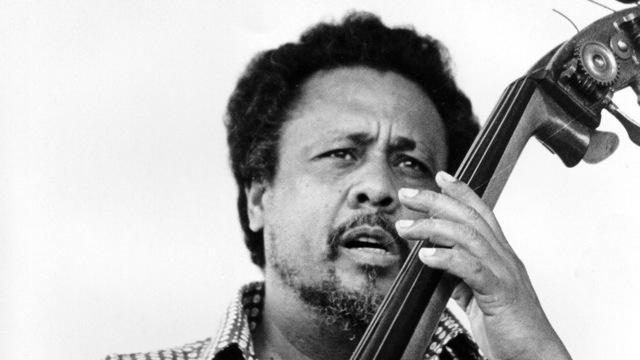
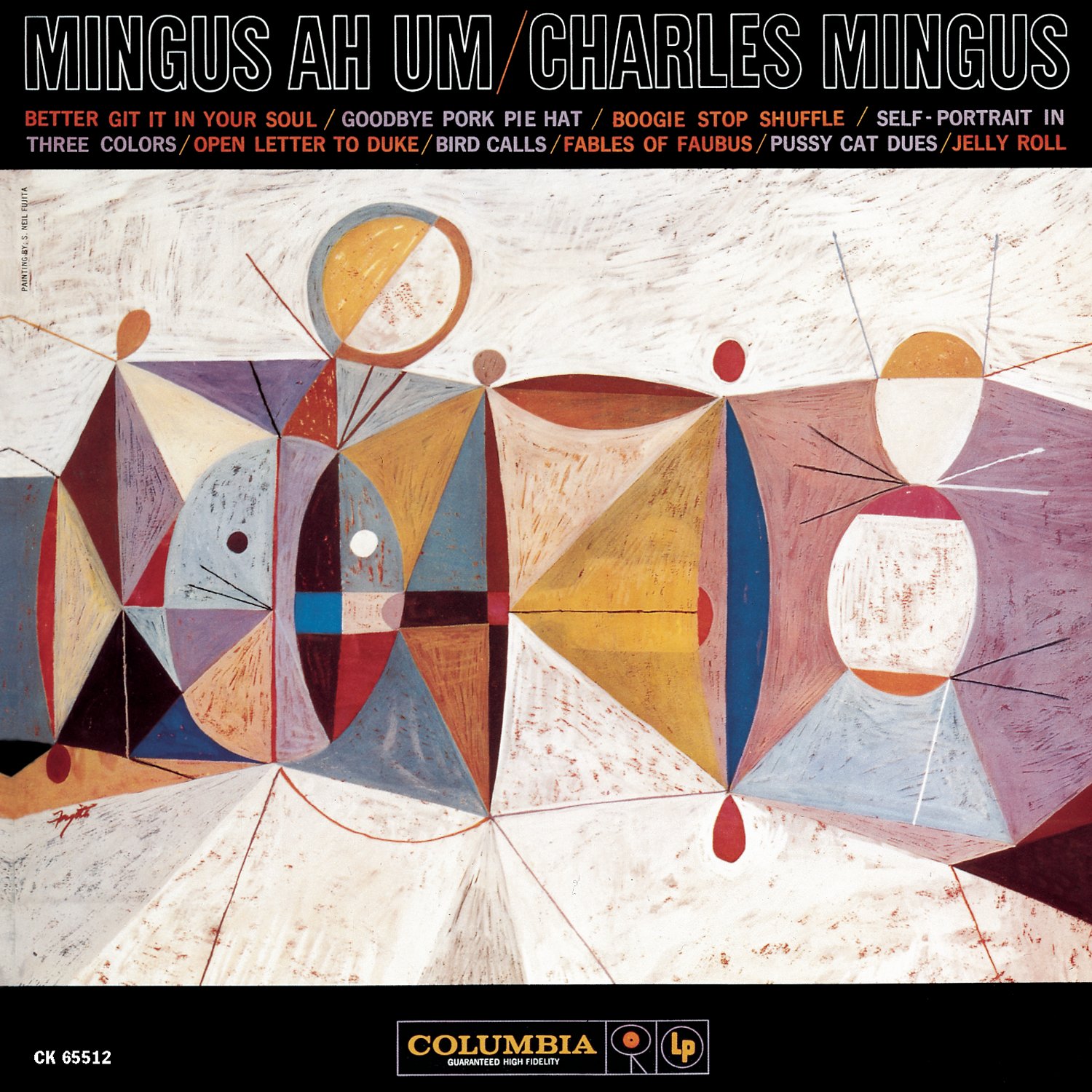
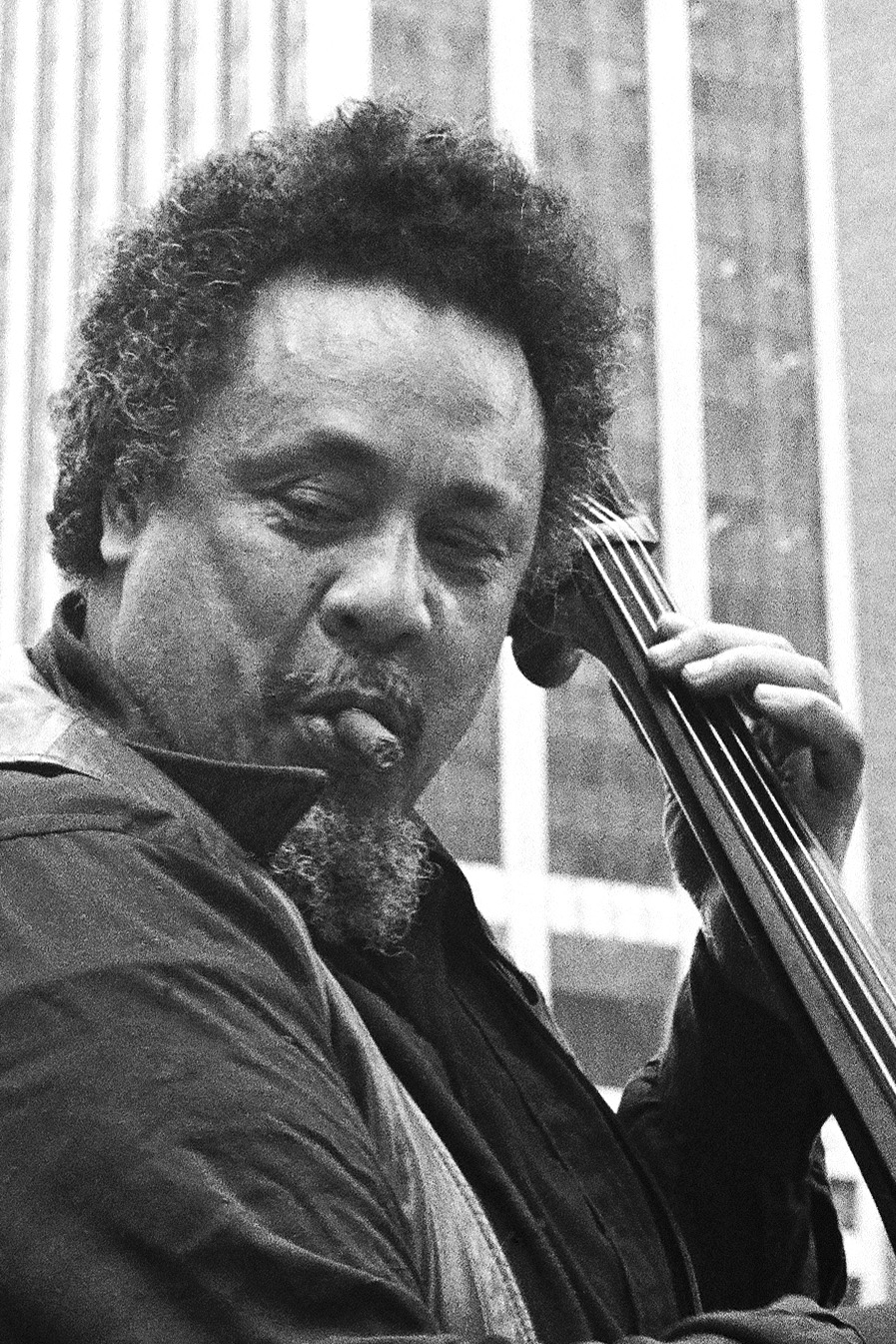
Charles Mingus will always be known for straddling the line of accessibility and the Avant-Garde, a bassist with one foot in each world. By 1959’s Mingus Ah Um, his first for Columbia records and by far one of his finest, Mingus had begun to define a style that would pay homage to the giants of the past while incorporating the spirit of freeform improvisation that was becoming culturally pivotal as we transitioned from the conservative era of the 1950’s.

1959 Columbia Records

When we study the emergence of Free Jazz at this time, invariably Ornette Coleman and his legendary album Free Jazz (1960) emerge as the foundational spark of the genre. A direct reaction to the organized and mainstream appeal of Cool Jazz and the 50’s revitalization of Swing for a Sinatra era, Free Jazz was one of many thought revolutions the 60’s brought to American life. It can be tempting to see Coleman’s work as kick starting this decade of free love and thought that would bring us artists like The Beatles & The Beach Boys (and with them, a new reality for American musicians) For my money though, Charles Mingus’s late 50’s work is evidence that the instinct was simmering beneath the surface of musical life, evolving in Jazz innovators long before Coleman’s 1960 work.  


Mingus himself was a legendarily insecure performer, lashing out with a violent temper throughout his career and creating needlessly complex song titles that act to reaffirm his own intelligence. He kept a tight control over both who recorded his sound and how. 1956’s Pithecanthropus Erectus, with its heady titles and false intellectualism breathes this insecurity and 1957’s The Clown shows how the 6’4-tall Mingus often viewed himself. The key to Mingus’s brilliance is understand how this self-reflective hatred was channeled to push the conventional limits of Jazz. Brilliant works from this period, like “Haitian Fight Song” (a track that starts with free-form fiddling before breaking into an organized masterpiece) mix Swing with the emerging Soul movement. It creates a piece of music that’s more than just brilliant; it’s aware of its own brilliance, of its own place in time. By lusting after originality, viewing himself as an innovator, Mingus achieves it.

By the time we reach 1959’s Mingus Ah Um, we’re seeing a more complete Mingus, more comfortable in both what he has and what he can contribute to the Jazz cannon. That’s how we arrive at tracks such as “Better Git It In Your Soul” a song from title to sound that evokes the spontaneity and spirituality of early New Orleans Jazz. Midway through, it gives way to a modern, soulful drone in ¾ time, chocked full of vocal vamps, grooving saxophone solos, and block chords that remind us deeply of Horace Silver and his distinctive piano style. From the get go, Mingus tells us that it is less about the players then about the collective sound. He has no qualms borrowing stylistically from contemporaries if it gets him where he’d like to go. It’s this spirt of ruthless originality that sets the stage for the entire work.

“Goodbye Pork Pie Hat” is a slowly sensual tune, a mirror of the cool age he’s working amongst. Like “Self-Portrait in Three Colours” it chooses to explore the melodic structure of Cool Jazz rather than reinvent it. For the pieces that actually push the envelope, we must turn towards his homages to both Duke Ellington and Jelly Roll Morton in “Open Letter To Duke” and “Jelly Roll”. Both tracks go out of their way to capture the essence of his heroes while evolving the underlying form. Dannie Richmond keeps the pace tight and chaotic in the right places and irrelevant in others, while tenor sax’s Booker Ervin and Shafi Hadi are perhaps the real break out stars of this Mingus album, made in the shadow of John Coltrane’s rise to the top and the spread of more experimental Jazz.


I have never been able to define Mingus by album the same way we can for an artist like Miles Davis or John Coltrane. Those giants use the album as a vehicle to explore a particular sound, diving in to different facets of it over an hour long project. Mingus, by contrast, does so with each song, creating these pockets of brilliance on an album (which on Mingus Ah Um is definitely the three opening tracks) but also these moments of disconnection, where we look for evolution but only find Mingus retreating into some old cliché. Not every genius hits all the time, and Mingus misses about a quarter of the shots he takes for my ear, but everything he lands transcends.

That is the key to appreciating Mingus, understanding the line between genius reinvention and sloppy combination. Being on either side is not always fluid; sometimes it’s messy and contrite, and all the control and anger in the world won’t convince everyone of your artistic brilliance. Mingus, at his core, is a musician who craved originality and would do anything to get it and maintain it. We just get to come along for the ride.  

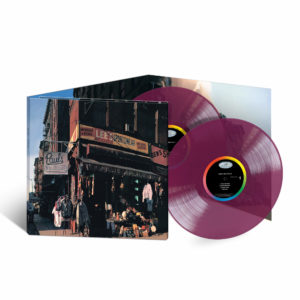
Paul’s Boutique

The Beastie Boys

There is a reason Paul’s Boutique is considered the gold standard of early hip-hop albums, alongside such greats as Enter the Wu Tang and Public Enemies It Takes A Nation Of Millions To Hold Us Back. It is sampled hip-hop at its finest, complex and experimental while still retaining that sound of playful rebellion Ad-Rock, Mike D, and MCA first pioneered in 1986 with their debut License to Ill. This sophomore album was an evolution of both maturity and technique, the perfect coming of age for a band that broke into the mainstream off the backs of songs that celebrated youthful immaturity, such as “Girls”andFight For Your Right”. 


Underneath what critics had derided in the mid 80’s as frat rap rested the mind of three progressive hip-hop musicians waiting for an opportunity to prove themselves. License to Ill, produced three years before Paul’s Boutique (under a new start-up called Def Jam Records) alongside Rick Rubin, was a teenage celebration of catchy tunes, simple driving beats and pumped up samples. A truly joyous tribute to the piecemeal aesthetic of a young and broke NYC hip-hop culture and a success that launched the Beasties and Rubin into the national spotlight.

Along with it came critiques though, who accused them of pandering to the same working-class, borough aesthetic they emerged from. The elitist upper crust rejected a new youthful street sound, and the streets turned against what they saw as an overly commercial, jock hip-hop characterization of an emerging movement on the public stage.  

Paul’s Boutique was an answer to the critical noise, a complex yet unpretentious work of hip-hop art built entirely from samples and raw, apartment-recorded vocals. Beasties expanded their style to incorporate new musical elements while still retaining the playfulness that defined their first album, elevating it past the criticisms of simplicity and mass market appeal that had haunted them, while still being an utter joy to listen to. The Beastie Boys had evolved, despite others attempts to categorize them.

“To All The Girls” is a chill introduction to the heavily sampled form, paying playful homage to the youthful sexuality of their first album before breaking into “Shake Your Rump”, perhaps the best track to illustrate how the Beasties viewed their new sound. The grooving hooks, and joyful intensity is still in full force, but unlike a track off their first album such as “Brass Monkey” (which finds the three driving the intensity by sharing every vocal line) there is a clear division of vocal parts from the boys to highlight the lyrical creativity and movement. They flow like staggered poetry in and out of each other, separated by audio channels and bringing different elements to the track. This intense vocal choreography is broken up by experimentally groovy samples, with rhymes spoken so fast we barely have time to register the mischievous wit at play.    

For my money, “Johnny Ryall”and “Shadrach” are the strongest songs on the album, interweaving split vocals with catchy hooks. Both are powered by irresistibly funky drum loops, tucked up tight to the ears while the boys duck around the background. The vocals are mixed with a more distant reverb, a layer of the undeniably Beastie Boys sound. It produces that feeling of separation from their instruments in the sonic space, reinforcing the classic Beastie feeling that these are just gifted amateurs who stumbled into a studio with some insightful lyrics and a strong producer. That vibe that was truer to life on their first collaboration with Rick Rubin, but hides the progressive craftsman they’ve become by Paul’s Boutique.


 Some tracks torture you a bit for that inevitable reward. “The Sound of Silence” makes for a clever first listen, but any dedicated Paul’s Boutique fan will admit to skipping the first 1:38 from time to time. “Looking Down The Barrel of A Gun” feels like it’s always building towards a hook it never reaches, leaving us compelled but rather unsatisfied. “What Comes Around” meanders, packing the same love of sampling into a slower and less interesting track that seems to devolve into random nonsense as the boys run out of lyrics and ideas. One could argue this is truer to the ethos of the album: a rejection of mainstream cultural norms and conventional artistic ambition, but the level of preparation required to achieve the progressive sonic landscape of Paul’s Boutique makes a case against that.

However casual the Beastie Boys pretend their music is, its complex sampling manipulation and vocal choreography took many hours to get right in the studio. Some tracks just miss the mark because the choices they made didn’t work. The addition of nine extra tracks on the 20th anniversary introduces more chaos than good. What was once a relatively compact album with mostly genius and a couple misses becomes a sprawling 23-track mess.


Still, on CD, Vinyl, or tape, there are few finer albums than Paul’s Boutique. From start to finish the album drives us foreword while slamming you with clever lyrics and catchy loops. In a time where hip-hop was still nationally regarded as a novelty, it’s a work of art constructed by sarcasm and rebellion. Built from the sampled bones of other greats and erected into a glorious middle finger statue that marks the intersection of borough folk and hip-hop.  

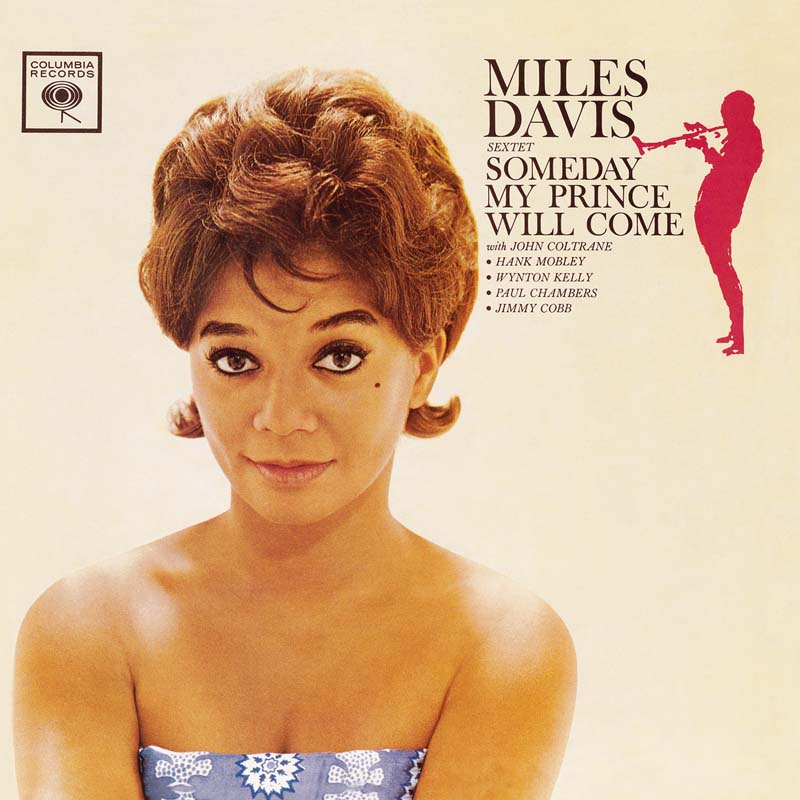
Someday My Prince Will Come

Miles Davis

One of Miles Davis most consistently underrated albums, Someday My Prince Will Come displays the Jazz Icon’s typical sense of rebellion in its most beautiful form. Released in 1961, at the height of the free/experimental Jazz movement, Davis responds to the rise of structure-free Jazz by doubling down on the smoothness he pioneered between 1949’s Birth of The Cool and 1959’s Kind of Blue. 

Davis, at his best and worst moments, has always been reactionary. As Gillespie and Parker pushed forward with fast and complex Bebop at the tail end of the 1940s, Birth of The Cool asserted a new, hip music aesthetic. Revolutionizing modally, Davis was able to capture a new intimacy in Jazz that he would improve on throughout the ’50s. It’s certainly fair to see his work between 59’-61′ as the capstone of this decade of innovation, giving us the soulful Someday My Prince Will Come

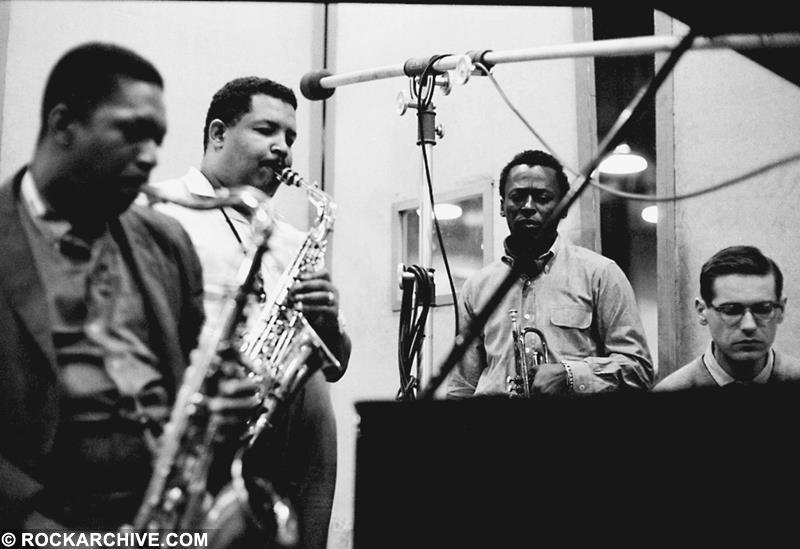
The departure of John Coltrane from his regular lineup and the introduction of Hank Mobley was perhaps the most drastic change. Coltrane, always defined by his blisteringly fast vertical solos, carried a certain melodic experimentalism at his heart. Mobley, however, adds an in-the-pocket quality that serves the quintet as a whole, giving more room for Miles intimate trumpet. The result is an album that provides a remarkable level of accessibility, emotion, and dynamics amidst a period of progressively complex and alienating Jazz.

From the first note of “Someday My Prince Will Come”, we are transported to a beautiful place of softened rhythm and soul-searching piano. Miles piercing muted trumpet comes in waves, alternating between forceful bursts of energy and these sultry lower tones with such a sweet imperfection. It radiates the irony of the word ‘someday’, reminding of us of its bittersweet disappointment and restless hope. “Old Folks”finds the listener drifting through the late-night city, lost in undefinable thoughts. Wynton Kelley tickles the ivory keys of the piano with such a delicate grace that I cannot help but be swept up by the waves emanating from Davis.

The faster-paced “Pfrancing”contains perhaps one of the catchiest seven note hooks of the Jazz cannon as drummer Jimmy Cobb navigates the intricacies of soft speed. Bassist Paul Chambers is in form as always, humbly serving the quintet without ever taking as he does on all Davis’s work. Both Cobb and Chambers utilize the delicate cool-inspired art of less is more, leaving space for Kelley, Mobley, and Davis to capture a meandering sense of musical fluidity on “Drad Dog” and“I Thought About You”. Philly Joe Jones steps in for Cobb on the swinging “Blues No. 2” and Coltrane provides the saxophone solo on the title track; both additions are notably jarring. Davis’s notes are so perfectly chosen, so deliberate, that the bombastic swing of Jones and the fast vertical movement of Coltrane feel like strangers to the mix. 

Davis’s trademark rejection of mainstream culture, in this case, a culture of Jazz experimentation and free-form melody, certainly pushed him further into the cool realms he had helped create. Someday My Prince Will Come is a cool Jazz album for an experimental era, replete with catchy hooks, tightly structured low-key bass and drum work, and the intimacy of Davis at the peak of his own creativity. It’s the first album I reach for when trying to explain Davis’s work, a culmination of his efforts on Cool Jazz and by far his most accessible album. Now grab a pair of headphones, click the link below, and take off on a musical journey.